
File 002: Inside Stuxnet, the First Digital Weapon to Cause Physical Damage
How a covert worm turned industrial code into a real world weapon

The Day Cybersecurity Changed Forever
In 2010, analysts at VirusBlokAda, a small cybersecurity firm in Belarus, discovered a piece of malware that did not behave like anything seen before. It was complex, unusually large, and engineered with precision that suggested a level of resources and expertise far beyond the criminal groups that typically circulated malware at the time.
Initially, it looked like another worm spreading through Windows systems. But as researchers pulled it apart, they found layers of hidden logic and an objective that felt impossible. The malware was not designed to steal passwords or lock files for ransom. It was designed to infiltrate a specific type of industrial equipment used in nuclear enrichment facilities.
This was not traditional hacking. It was the first confirmed digital weapon intended to create real world physical damage.
The world came to know it as Stuxnet.
Origins Hidden in Plain Sight
Stuxnet did not begin as a typical malware campaign. It began as a geopolitical calculation.
For years, concerns grew over Iran’s nuclear enrichment program. Traditional military strikes carried high risks. Diplomatic pressure alone was not slowing progress fast enough. A covert option offered strategic value without the political cost of open conflict.
The solution was a digital operation. It required intelligence gathering, access to confidential networks, knowledge of industrial control systems, and the ability to alter physical processes without detection. It required a collaboration between technical, intelligence, and military groups with broad capabilities and global reach.
Although no country ever publicly claimed responsibility, significant evidence pointed toward a coordinated effort between the United States and Israel. Public reporting and later analysis suggested that the operation may have begun as early as 2006 under a classified initiative focused on covert cyber capabilities.
Stuxnet emerged from this environment.
How Stuxnet Entered a Hardened Environment
Iran’s nuclear facilities were not connected to the internet. They operated on what is known as an air gapped network, meaning internal industrial systems had no direct external connection.
To reach these systems, Stuxnet needed to travel through people.
Researchers later concluded that the worm spread through infected USB drives. The malware used multiple zero day vulnerabilities, meaning flaws that were unknown to the software vendor at the time. These vulnerabilities allowed Stuxnet to execute automatically when a USB drive was inserted into a Windows machine.
Once active, the worm quietly spread across Windows systems within the facility’s internal network. It did not reveal its true purpose immediately. Instead, it waited, collecting information about the environment.
Stuxnet looked specifically for Siemens Step7 controllers. These programmable logic controllers, or PLCs, controlled centrifuges used in uranium enrichment. There are many facilities around the world that use similar technology, yet Stuxnet ignored all systems except those configured in the exact pattern used at Iran’s Natanz plant.
Only when it found those systems would the second phase begin.
Precision and Sabotage at the Code Level
Stuxnet’s sophistication became clear as analysts studied how it interacted with the target equipment.
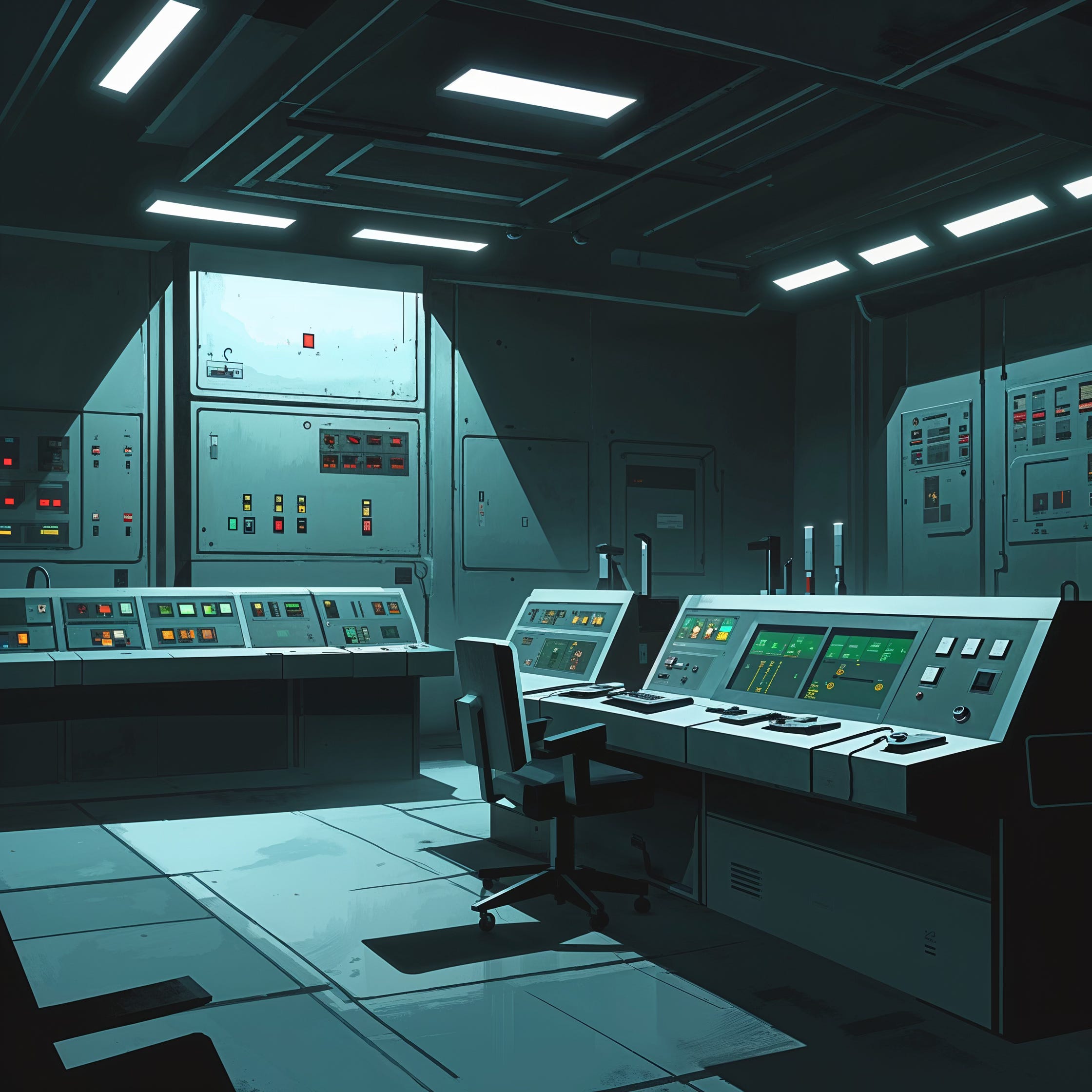
Centrifuges enrich uranium by spinning at extremely high speeds. The process requires careful, stable control. Sudden changes can damage the equipment.
Stuxnet intercepted communication between operators and the centrifuges. It recorded normal signals and later played those signals back to operators as a form of deception. While operators saw stable, healthy readings, the malware quietly altered the speed of the centrifuges, periodically forcing them to spin too fast or too slow.
The goal was not immediate destruction. The goal was subtle, gradual degradation.
Centrifuges began to fail at a higher than normal rate. Engineers replaced equipment without understanding the cause. The damage appeared random, which created delays and confusion. Production slowed. And because the malware hid its activity through replayed data, there was no clear evidence of sabotage.
This level of deception revealed a new category of cyber operation. It merged digital intrusion with physical manipulation. It required knowledge of mechanical tolerances, engineering limits, and human workflows inside a classified facility.
Stuxnet demonstrated that software could influence real world outcomes at an operational level.
Unexpected Consequences
For several years, Stuxnet remained undetected within the targeted environment. At some point, however, the worm began to spread beyond the intended boundaries. It escaped the offline systems and appeared on Windows machines in other countries.
This raised questions among analysts. A weapon this precise should not have spread widely. The most accepted theory is that an error in Stuxnet’s propagation logic allowed it to move beyond its controlled perimeter. Once it reached internet connected machines, it began to replicate like a standard worm.
This escape led to its eventual discovery.
Once cybersecurity firms obtained samples, global analysis began. The malware’s complexity, number of zero day exploits, and highly specific targeting caused specialists to conclude that it could not have been created by a small group or an individual. It required the resources of nation state actors.
The escape also had diplomatic consequences. The existence of a digital weapon capable of causing physical destruction raised international concerns. It set a new precedent in statecraft and covert operations.
The Public Breakthrough
In 2010, researchers from multiple organizations collaborated to reverse engineer the malware. What they uncovered was striking.
Stuxnet contained the following attributes:
• Several zero day vulnerabilities
• Highly specialized routines for Siemens industrial controllers
• A multi stage infection process
• Sophisticated rootkit components for PLC devices
• Code designed to alter physical equipment behavior
• Deception modules to hide the changes
The size of the malware was far larger than typical malware samples of that era. The engineering knowledge embedded within the code suggested access to extensive information about the target facility.
As reports circulated, cybersecurity professionals realized that Stuxnet was the beginning of a new strategic landscape. Cyber operations were no longer limited to information theft or system disruptions. They could cause real damage to infrastructure.
A Turning Point in Cybersecurity
Stuxnet influenced global cybersecurity in several ways.
1. Recognition of Industrial Control System Vulnerabilities
Before Stuxnet, many assumed that industrial environments were secure due to physical isolation and specialized equipment. The operation demonstrated that determined actors could reach these systems through indirect pathways.
2. Increase in State Sponsored Cyber Operations
The demonstration of a successful digital weapon encouraged other nations to invest heavily in offensive cyber capabilities. Cyber units expanded, budgets increased, and strategic doctrines changed.
3. Awareness of Supply Chain and Insider Risks
Even air gapped environments depend on people, hardware, and maintenance routines. Stuxnet leveraged these human and operational connections to breach a sealed environment.
4. Acceleration of Incident Response Planning
Organizations around the world updated crisis protocols. They recognized that cyber incidents could now have physical consequences.
5. Shift in Security Conversations
Cybersecurity discussions expanded from data protection to national security, defense policy, and ethical considerations surrounding the use of digital weapons.
The Role of Human Behavior
Much attention focused on Stuxnet’s technical brilliance. Yet behind the technical layers were human realities that made the attack possible.
Technicians use USB drives to move files between isolated systems. Engineers trust that internal equipment is safe. Maintenance teams depend on readings from industrial control systems to understand machine health.
Stuxnet exploited predictable patterns. It relied on routine, familiarity, and trust in internal processes.
This theme mirrors other cyber incidents. Even the most advanced technical infrastructure can be influenced by simple human behavior.
The Ethics of Digital Weapons
Stuxnet created an ethical debate within cybersecurity and international policy circles. Some key questions emerged:
• When does a digital intrusion become an act of war.
• Who is accountable for collateral damage if malware escapes containment.
• What controls should govern the development of digital weapons.
• How do we define proportional response to a cyber operation.
• Should nation states disclose vulnerabilities used in offensive operations.
These questions remain unresolved. Stuxnet set a precedent without creating guidelines.
What concerned many experts was the possibility of imitation. Once the code was publicly analyzed, attackers around the world could study its techniques. Although duplicating its sophistication required significant resources, the conceptual groundwork was available.
Stuxnet changed not only the world’s perception of cyber capabilities but also the mindset of emerging adversaries.

The Lingering Impact
Stuxnet’s immediate impact was measurable. Reports suggested that Iran’s nuclear program experienced delays due to equipment failures and the need to replace damaged centrifuges. The operation bought time, but it did not end the program.
Its broader impact extended far beyond Iran.
Influence on Global Cyber Strategy
Defense departments, intelligence agencies, and military planners around the world recognized that cyber operations could achieve tactical outcomes without traditional military engagement. This influenced long term policy and reshaped strategic priorities.
Rise of Critical Infrastructure Protections
Governments placed new emphasis on protecting industrial systems across energy, transportation, water, and manufacturing sectors. Frameworks such as zero trust architecture, segmentation, and enhanced monitoring became more important.
Expansion of Red Team and Research Communities
Security researchers began to study industrial control systems more deeply. Conferences, research groups, and professional tracks focused on operational technology increased significantly.
New Threat Models
Organizations realized that threats could originate from actors with unprecedented resources. This changed how risk assessments were developed and how security investments were prioritized.
A Quiet Warning
Stuxnet is often described as a one of a kind operation. Yet what made it significant was not only its technical design, but also what it revealed.
It showed that cyber operations can shape geopolitical outcomes. It showed that industrial systems are vulnerable even when isolated. It showed that code can cross boundaries that physical weapons cannot.
It also showed that once a digital tool is released, control is never absolute. Stuxnet’s escape into the wider internet demonstrated the inherent unpredictability of malware, even when engineered with precision.
As a result, security experts began to view offensive cyber operations with greater caution. Power comes with risk. And in a connected world, digital actions can have real world consequences that extend far beyond the initial target.
File Notes
Incident: Stuxnet malware discovery
Date: Publicly identified in 2010
Impact: Physical damage to uranium enrichment centrifuges
Primary method: Multiple zero day vulnerabilities and PLC manipulation
Key lesson: Digital operations can create real physical consequences
AI Image and Content Disclaimer
The images included in this article are AI generated illustrations created with tools such as Hypernatural AI or Leonardo AI. They are symbolic and fictional depictions used solely for storytelling and educational purposes. They are not real photographs and do not represent actual facilities, equipment, or individuals.
This article is based on publicly available information and is intended for educational and informational purposes. It should not be interpreted as legal advice, policy guidance, or classified intelligence analysis.
Join the Conversation
If stories like this interest you, consider subscribing to ZeroDayFiles. Each file examines a real digital incident and the human lessons behind it.
👉🏾 Subscribe to receive future files in your inbox.
👉🏾 Comment below and share your thoughts. What part of the Stuxnet story surprised you most, and what does it change in how you see cyber warfare?
File 003 opens soon.
This piece truly made me think about the profound implications of Stuxnet and how it redefind national security. It’s chilling to consider the convergence of cyber capabilities and physical harm. Do you see a future where these digital weapons are regulated internationally like traditional arms? Your analysis is incredibly insightful and well-articulated.